


Introduction
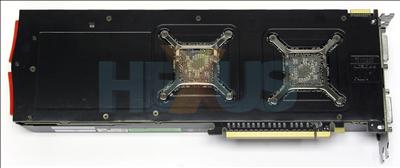
AMD seems to be on to a winner in recent months. In September 2009 its graphics arm, ATI, released the DX11 Radeon HD 5870 GPU. A neater, cleaner design than the decent Radeon HD 4000-series, the £300 card is our choice for readers looking for a high-end gaming card that has practically all the bases covered.
A week later, the company released the trimmed-down Radeon HD 5850, ostensibly the same GPU but with reduced clock-speeds and a slight snip of the architecture. Move forward again by a couple of weeks and the mid-range Radeon HD 5770 and 5750 filled out the £100-£150 space.
NVIDIA, AMD's only rival in the discrete GPU market, appears to be focussing efforts elsewhere, with its next-generation Fermi architecture, designed to compete with Radeon HD 5870, being pushed farther back into 2010.
As AMD and NVIDIA are all too acutely aware, designing GPUs is an inherently expensive business, so Intel has 'lent' a helping hand by agreeing to pay AMD $1.25bn (£750m) in damages, primarily due for engaging in some rather naughty business practices on the chip giant's part.
However, things aren't as rosy as they could be. General stock of Radeon HD 58x0 cards is abysmal, to say the least, and, focusing on a niche market, the Radeon HD 5870's claim of being the best graphics card in town can be disputed by the long-in-the-tooth NVIDIA GeForce GTX 295.
Set against a backdrop of high-end GPU wars, AMD has readied the graphics card that it believes will hold the performance crown for a while to come. More of a show pony than pragmatic volume-earner, we welcome the Radeon HD 5970 2,048MB.