Voltage Tweak
ASUS introduced the Voltage Tweak range with the Radeon HD 4890 GPU
that we took a look at
here.
The
technology's been moved on over to the GeForce line and, recently,
employed on the
Radeon
HD 5800
series.
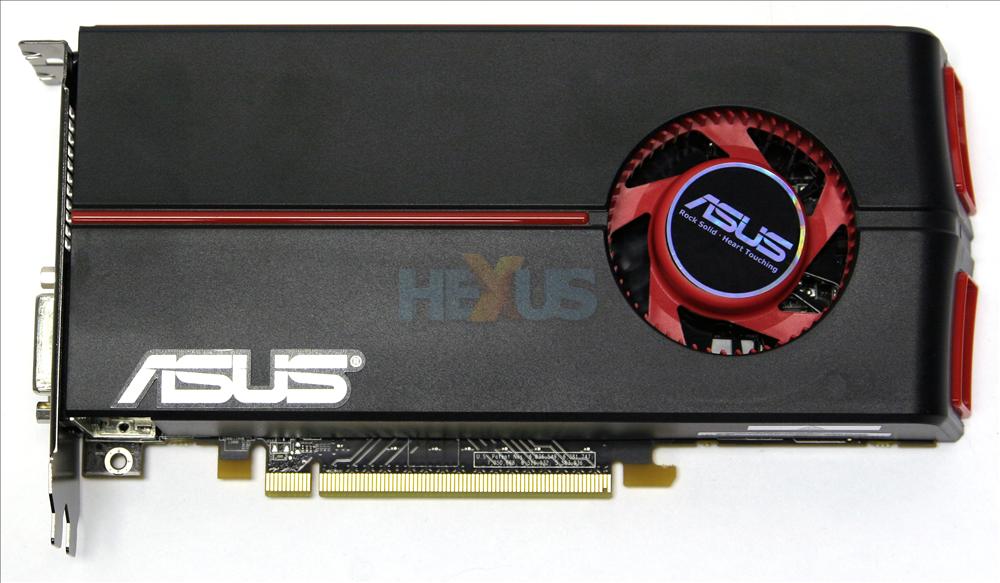
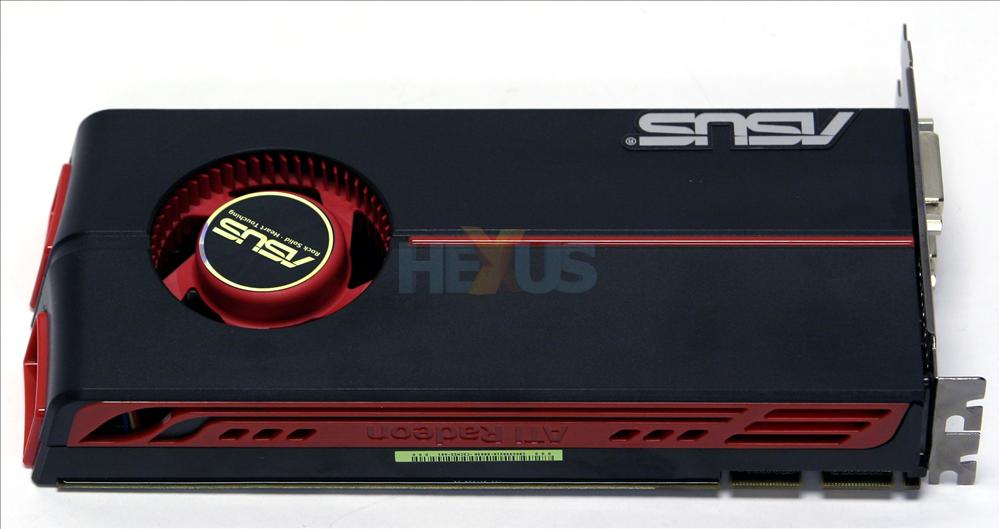
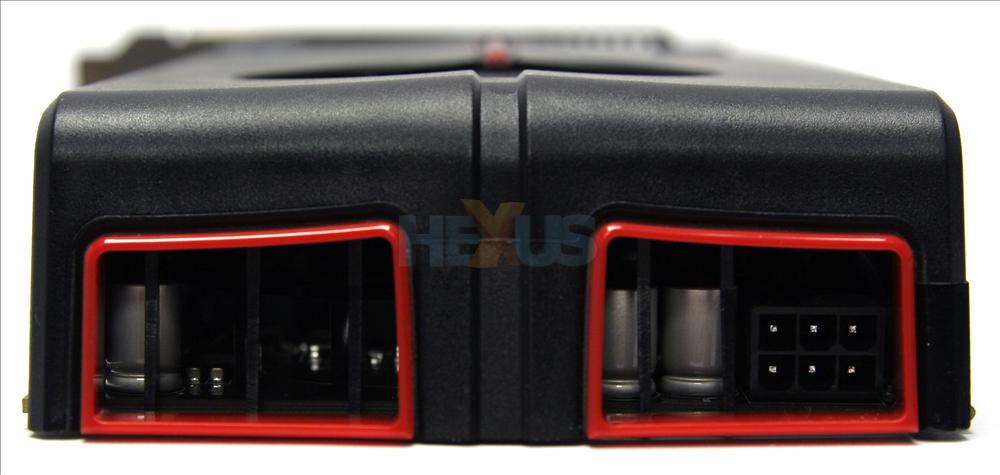
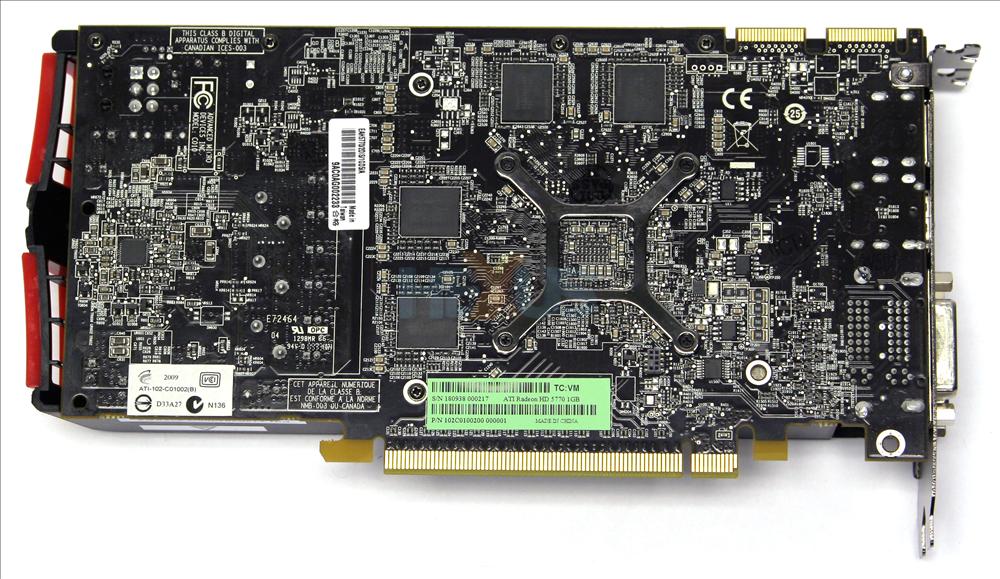
In this case, the Voltage Tweak edition looks like any other Radeon HD
5770. It also
ships at the default frequencies of 850MHz core and 4,800MHz memory.
Users need to install the supplied SmartDoctor utility to gain
access to the voltage settings.
Driven by software that interfaces directly with the board's VRM,
there's no need for a custom BIOS. It has the same
v012.012.000.003 as found on other HD 5770s.
Run in the default state, the Voltage Tweak's fan is quiet in 2D, but
it
does
rise a notch or two above what we'd like when rendering games. We'll
have to wait for companies to use aftermarket coolers before Radeon HD
5770s become whisper-quiet in operation.
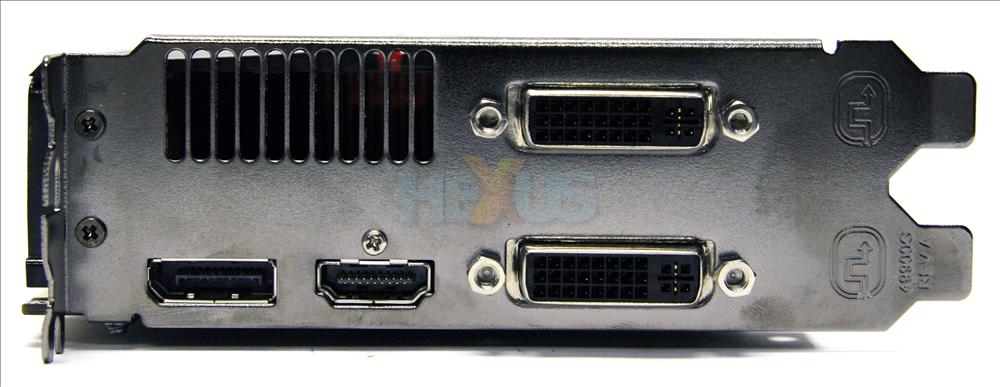
AMD's Eyefinity technology can drive three digital displays
concurrently, although DisplayPort needs to be one of those in a
three-way setup. Most people will use no more than two, for a
dual-monitor desktop, so any combination of digital outputs will suffice.
Priced at £125, in line with other HD 5770s, ASUS's voltage
manipulation is the standout feature in an otherwise reference-like
design. Let's cut to it.